Press Release 2026 - Thailand–Australia Partnership Advances Biomanufacturing for Health Security
Thailand–Australia Partnership Advances Biomanufacturing
for Health Security and Equitable Access to Medicines
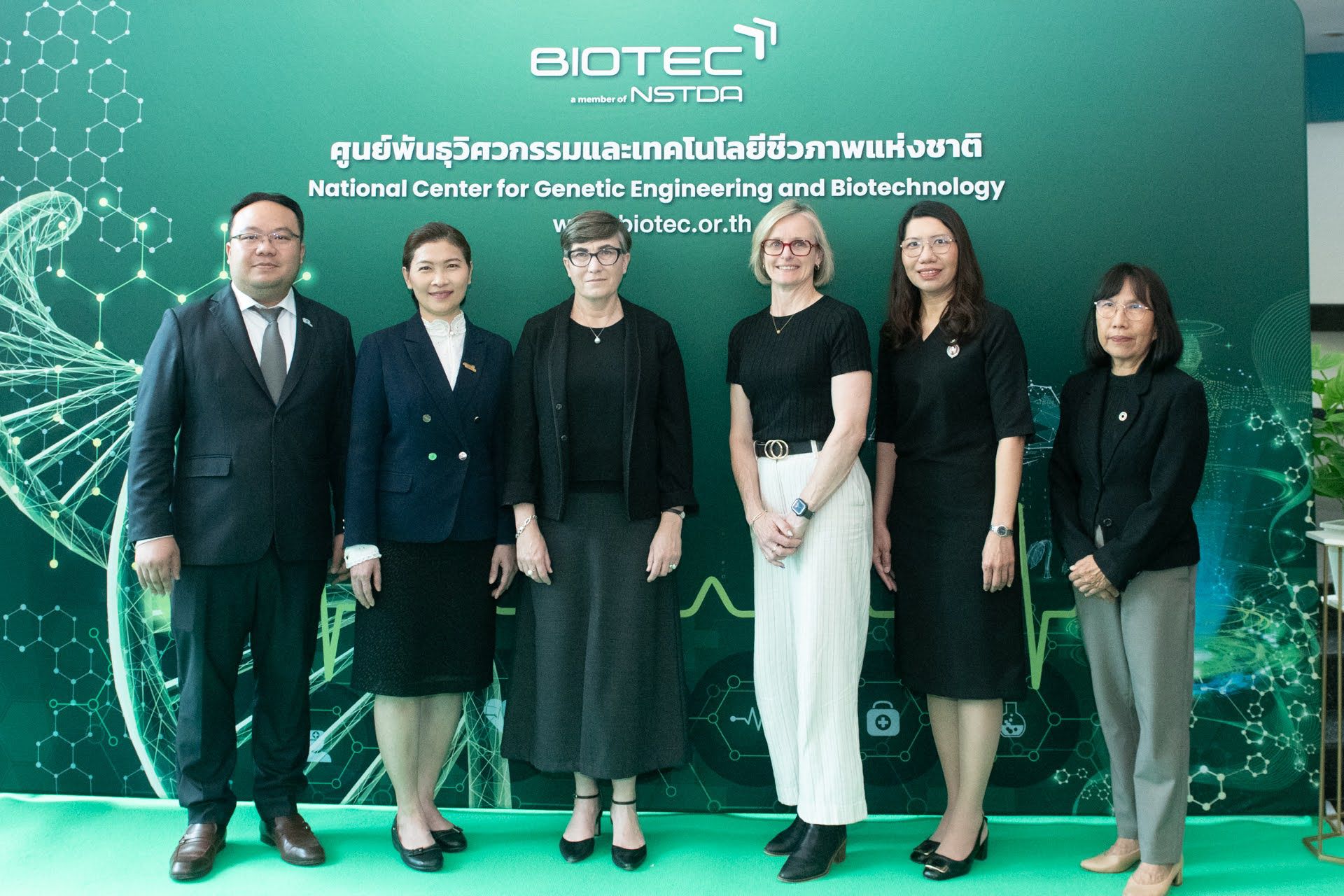
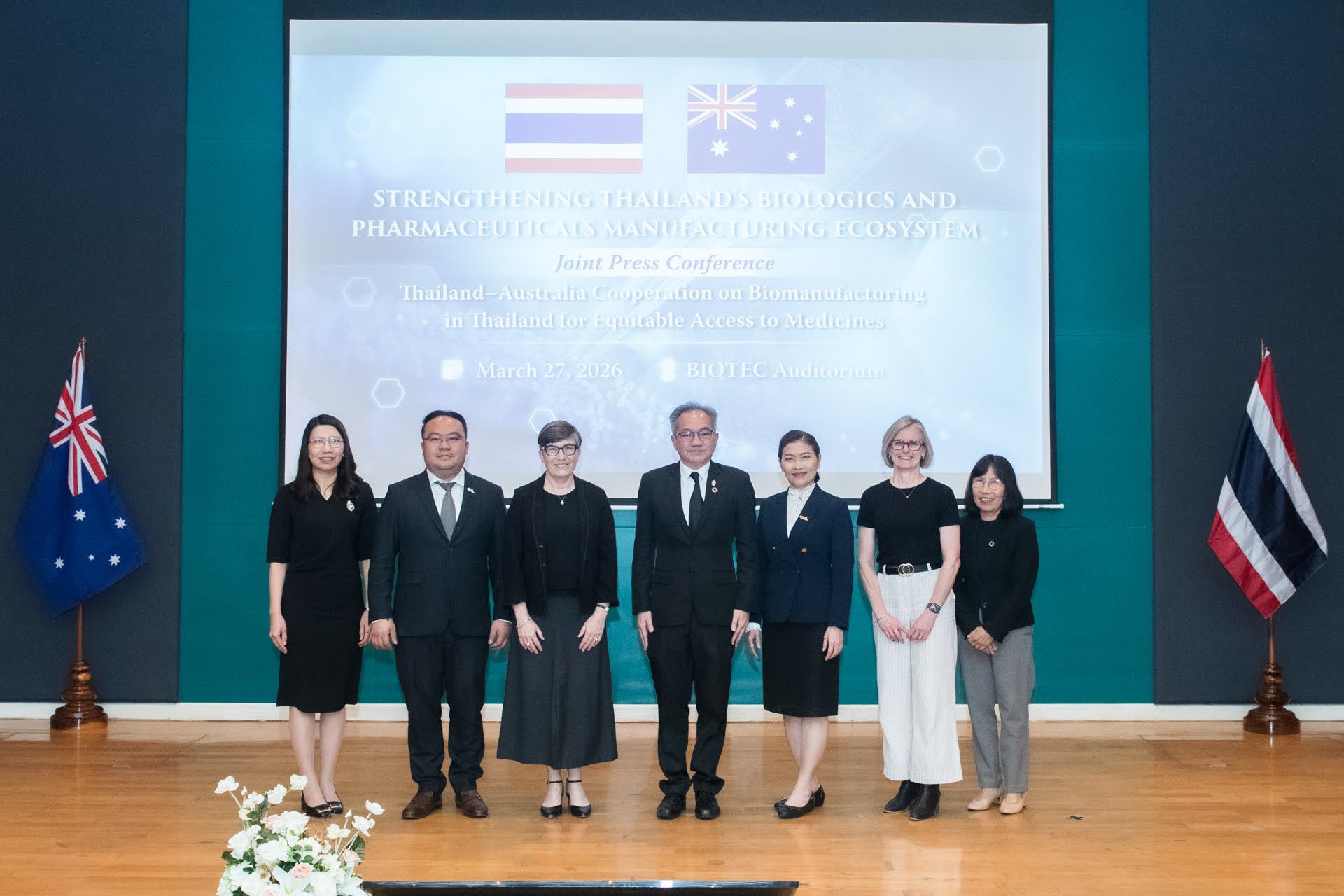
Thailand and Australia reaffirmed their strong partnership in strengthening regional health security through the Biologics and Pharmaceuticals Manufacturing in Thailand for Equitable Access to Medicines (BPM-TEAM) initiative, highlighted at a joint press conference held at BIOTEC, Thailand Science Park.
With funding of AUD 1.75 million over four years from the Australian Government’s Partnerships for a Healthy Region program and led by the Commonwealth Scientific and Industrial Research Organisation (CSIRO), the initiative is implemented in collaboration with the National Center for Genetic Engineering and Biotechnology (BIOTEC), National Science and Technology Development Agency (NSTDA), the Government Pharmaceutical Organization (GPO), and the National Biopharmaceutical Facility (NBF), King Mongkut’s University of Technology Thonburi (KMUTT). The project aims to strengthen Thailand’s capabilities in both biologics and pharmaceutical manufacturing, supporting national priorities in health security, innovation, and equitable access to medicines.
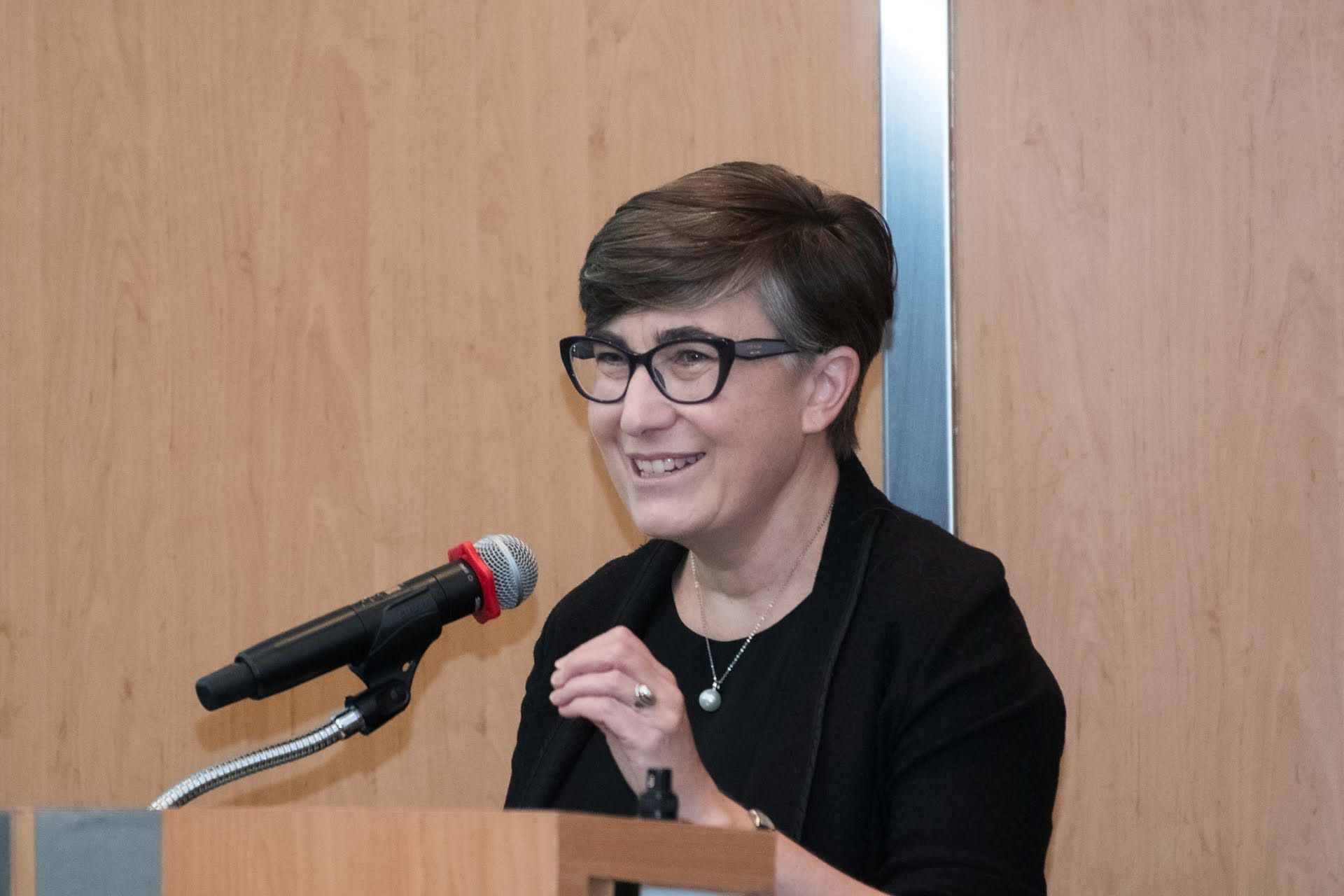
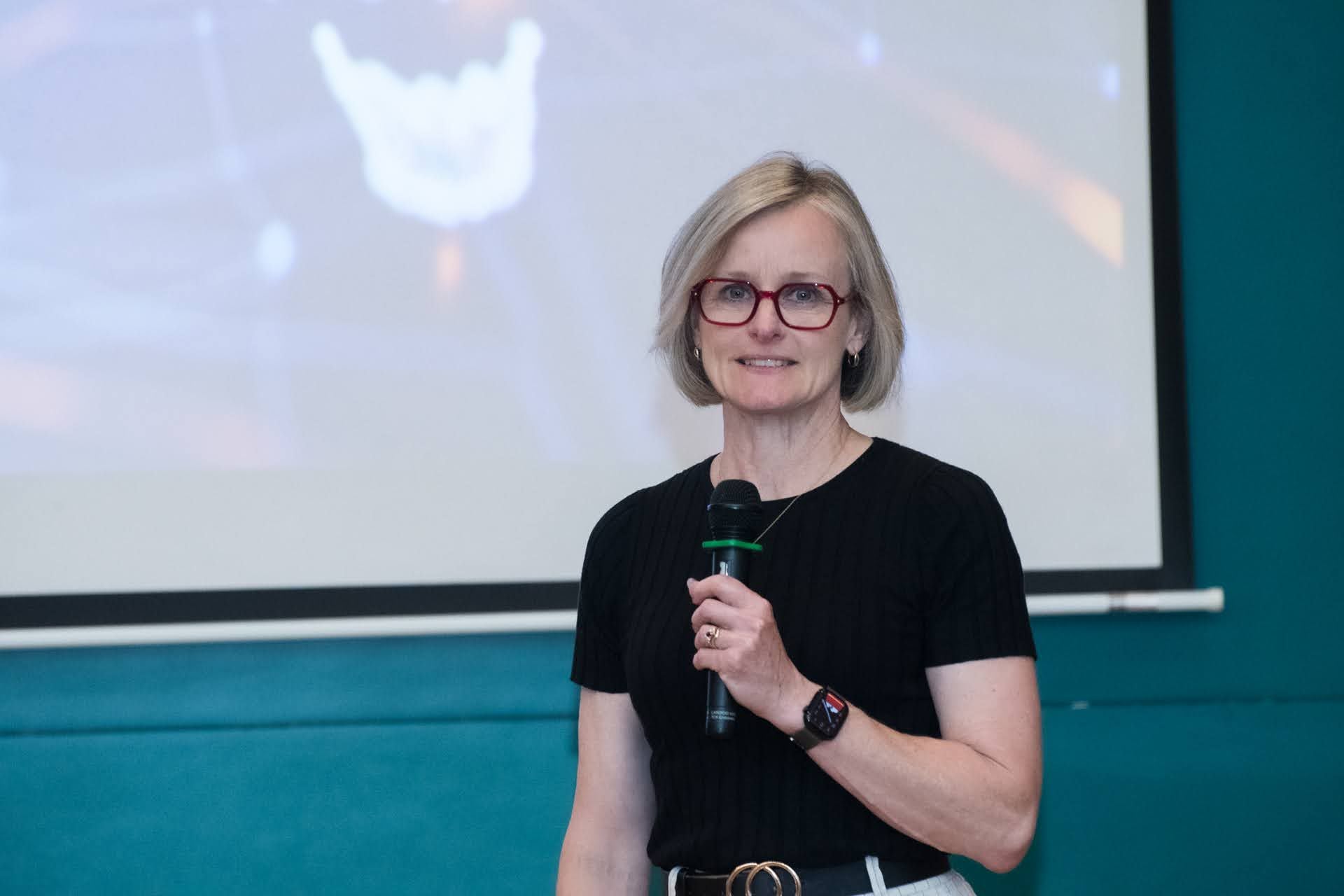
In her inaugural remarks, H.E. Dr. Angela Macdonald PSM, Australian Ambassador to Thailand, emphasized the importance of building resilient healthcare systems across the region. She highlighted that strengthening local manufacturing capacity for medicines and vaccines is a key pillar of health security, enabling countries to better respond to future crises while diversifying global supply chains.
Providing a progress update, Prof. Susie Nilsson, Research Director for the Biomedical Manufacturing Program at CSIRO and Project PI, highlighted that the collaboration has reached its midpoint with strong, tangible outcomes across both active pharmaceutical ingredient (API) and biologics streams. Since the project’s inception in December 2024, CSIRO and Thai partners have worked closely through a co-development model combining hands-on training, regular technical exchanges, and joint process development. To date, multiple in-person training programs have been conducted at CSIRO facilities in Australia, covering both API and biologics production, alongside ongoing regular technical meetings involving multidisciplinary teams from both countries.
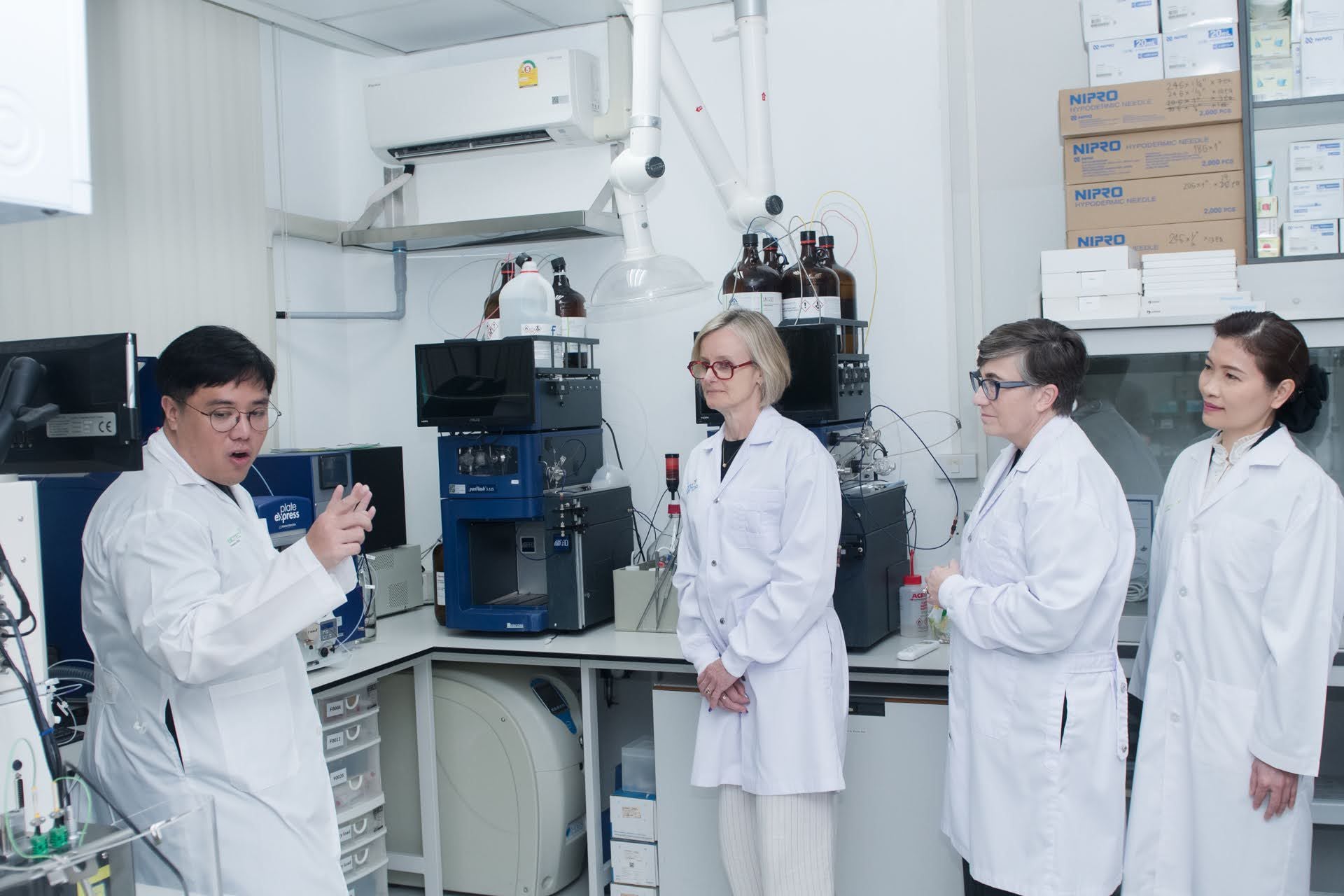
In the API stream, Prof. Nilsson noted that collaborative work has successfully delivered manufacturable processes for priority drugs, supported by continuous knowledge exchange on laboratory practices, equipment use, and process optimization. The introduction of advanced technologies, including flow-reactor and continuous-flow chemistry, has enabled more efficient and scalable production approaches, with these methods now being implemented by Thai partners. The early success of the first target drug has also led to the expansion of the API pipeline to additional priority medicines, including treatments for HIV and diabetes, reflecting growing confidence in Thailand’s capability to localize production.
In parallel, the biologics stream has advanced end-to-end development of a therapeutic antibody for cancer treatment, with significant progress achieved in cell line development and upstream processing. Intensive laboratory-based training programs have equipped Thai researchers with hands-on experience in bioprocessing, experimental design, and best practices for documentation and quality systems required for technology transfer to manufacturing. Regular virtual sessions have further supported real-time data review, joint decision-making, and alignment with international standards, ensuring continuous two-way knowledge transfer between CSIRO and Thai teams. Additional training modules in downstream processing and analytical development are scheduled for later this year, further strengthening Thailand’s readiness for full-scale biologics manufacturing.
Prof. Nilsson also emphasized that beyond technical outcomes, the collaboration has strengthened project management, safety practices, and institutional readiness within Thailand’s biomanufacturing ecosystem. Importantly, the partnership has enabled not only the transfer of technology but also the embedding of practical know-how and operational capabilities, allowing Thai institutions to apply these skills across broader research and industrial applications. Looking ahead, CSIRO and its partners aim to scale up production processes, deepen staff exchanges, and expand collaborative activities beyond the current program to further enhance regional access to essential medicines.
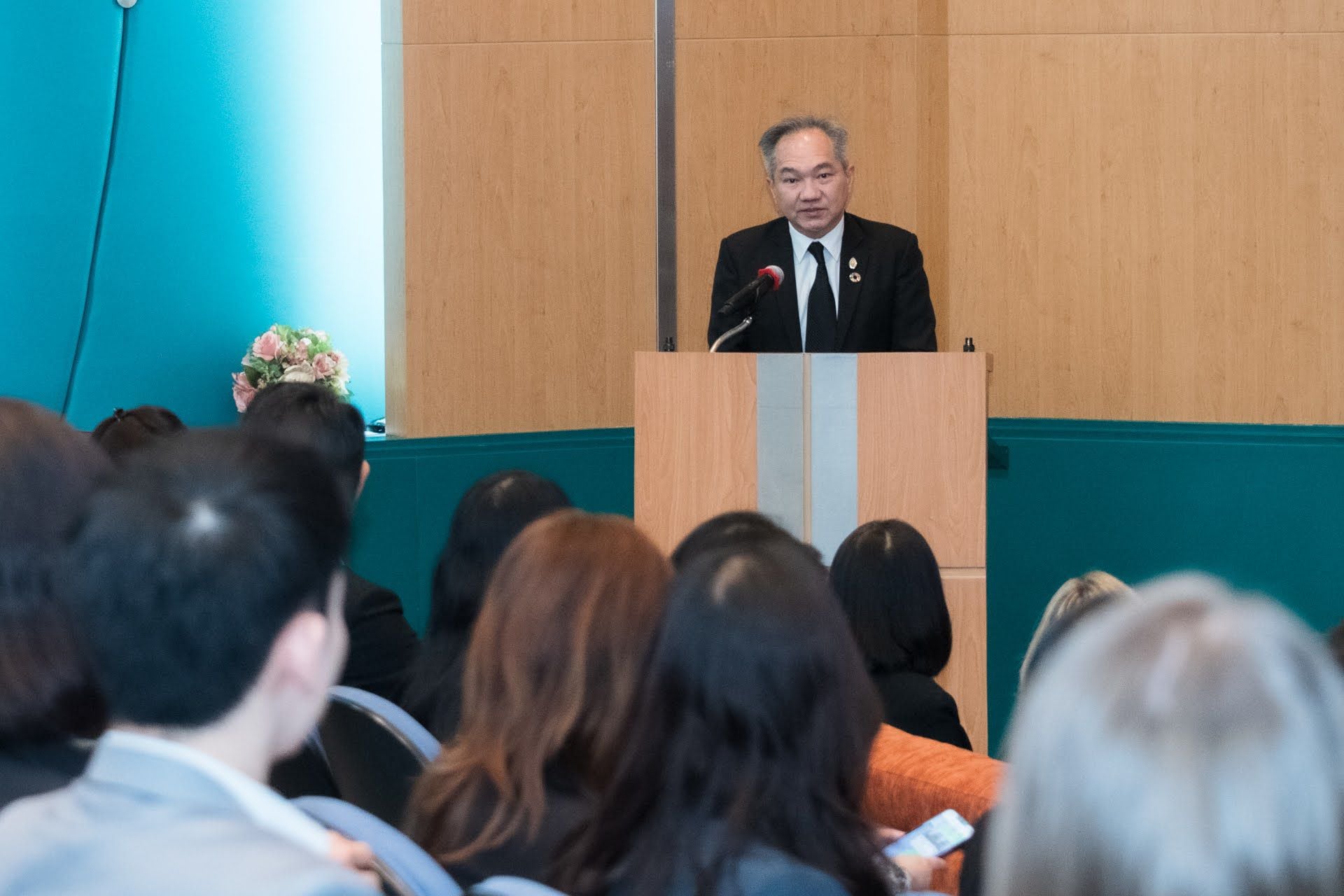
Dr. Ponthip Wirachwong, Deputy Managing Director of the Government Pharmaceutical Organization (GPO), pointed out that the initiative delivers impact across two key areas. In pharmaceutical manufacturing, Thailand currently imports more than 95% of its active pharmaceutical ingredients (APIs), exposing vulnerabilities in global supply chains. Through this collaboration, Thai and Australian researchers have successfully developed and scaled up the synthesis of key APIs, including abacavir hemisulfate, an antiretroviral drug used for the treatment of HIV, achieving high yield and purity at pre-pilot scale. Importantly, she highlighted that the project has already demonstrated tangible outcomes, with production at the 10-liter reactor scale capable of generating approximately 2,000 tablets of this key anti-HIV medicine. This milestone reflects Thailand’s growing ability to translate research into practical manufacturing of essential medicines. In addition, the introduction of continuous-flow synthesis technology is enabling more efficient, scalable, and environmentally friendly production, while building the foundation for domestic manufacturing and potential export to the ASEAN region.
At the same time, the biologics part of the project is preparing Thailand for the manufacturing of high-value therapeutics such as monoclonal antibodies for cancer and infectious diseases. The project has successfully developed antibody-producing cell lines, optimized upstream production processes, and advanced scale-up to pilot-level bioreactors, alongside establishing analytical systems for quality control. Capacity building remains central, with Thai researchers receiving intensive training at CSIRO and through ongoing technical exchanges, ensuring readiness for technology transfer to GMP manufacturing.
Prof. Dr. Sukit Limpijumnong, President of NSTDA, highlighted that, beyond building technical capacity, the partnership is directly supporting NSTDA’s priority vaccine development efforts, particularly the African swine fever (ASF) vaccine, by strengthening critical capabilities required for scaling up production, quality control, and technology transfer to manufacturing. These advancements are helping to bridge the long-standing gap between laboratory research and real-world deployment, ensuring that vaccine candidates can be produced at scale and delivered effectively. He further noted that the project aligns closely with Thailand’s strategic priorities in health security and the bioeconomy, while positioning the country as a regional hub for pharmaceuticals and biologics production.
Assoc. Prof. Boosya Bunnag, Advisor, National Biopharmaceutical Facility (NBF) highlighted that this partnership represents a strategic step forward in strengthening Thailand’s capabilities in early-stage biopharmaceutical development. By enhancing these capabilities, NBF will be better positioned to serve as a translational hub, working closely with Thai and Australian partners to take promising research from the laboratory to scalable production, and ultimately into clinical trials. This is not only about building institutional capacity—it is about strengthening Thailand’s end-to-end biomanufacturing ecosystem. It reinforces our readiness to support the biopharmaceutical industry, attract future investments, and position Thailand as a key player in the regional biotechnology landscape.
H.E. Dr. Angela Macdonald PSM, Australian Ambassador to Thailand concluded that the BPM-TEAM initiative demonstrates how international collaboration can translate into tangible outcomes—from scientific discovery to real-world manufacturing—while strengthening national resilience, regional cooperation and public health outcomes. By advancing capabilities in both pharmaceutical and biologics production, Thailand and Australia are jointly contributing to a more secure and equitable healthcare future for Southeast Asia.
Click here for Thai version