A New Era in Integrated Heart & Brain Care: Cardio-Neuro-Vascular Approach
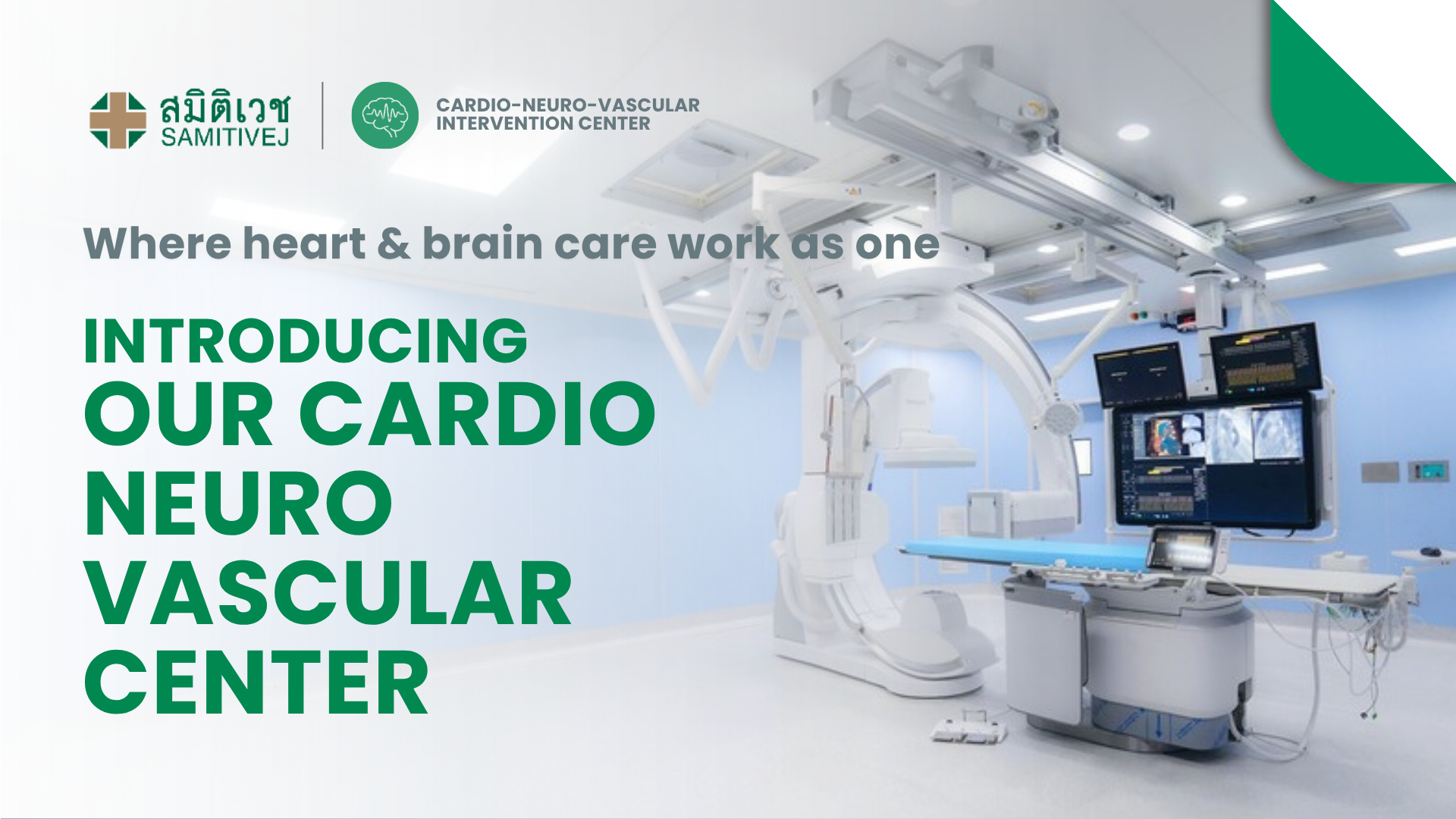
Your heart and brain are more connected than you may think.
Conditions such as stroke, hypertension, aneurysms, atrial fibrillation, and vascular diseases do not occur in isolation. They are often part of a complex, interconnected system where the heart, brain, and blood vessels continuously influence one another. Treating them separately can sometimes mean missing the bigger picture.
This is why a new, more integrated medical approach is emerging—one that brings cardiology, neurology, and vascular intervention together.
Why an integrated Cardio-Neuro-Vascular approach matter
Many serious health events are the result of overlapping conditions:
- Atrial fibrillation can lead to stroke
- Carotid artery disease can impair blood flow to the brain
- Hypertension and vascular inflammation can affect both heart and cognitive function
- Atherosclerosis can simultaneously impact coronary and cerebral arteries
Traditionally, these conditions are managed across different specialties. However, without close coordination, important links between them may be overlooked.
An integrated approach ensures:
- Earlier detection of risks through combined expertise
- More precise diagnosis using shared imaging and data
- Coordinated treatment plans that address root causes, not just symptoms
- Reduced complications by aligning interventions across specialties
- Improved long-term outcomes, especially for complex or high-risk patients
What this means for patients
Patients benefit from a more seamless and comprehensive experience:
- Multidisciplinary evaluation in one place
- Faster decision-making for urgent or complex cases
- Personalized treatment strategies based on the full vascular picture
- Access to advanced, minimally invasive interventions
- Better continuity of care from diagnosis through recovery
This model is particularly valuable for individuals with:
- Stroke or high stroke risk
- Heart rhythm disorders (e.g., atrial fibrillation)
- Vascular diseases affecting the brain or heart
- Diabetes, hypertension, or other chronic conditions impacting circulation
- Family history of cardiovascular or neurological disease
A more holistic future of care
Medicine is moving toward integrated care because the body itself is integrated. By aligning specialties around how diseases actually develop and interact, patients receive care that is not only more efficient—but also more effective.
Learn more: https://www.samitivejhospitals.com/center/detail/cardio-neuro-vascular-intervention-center
Doctor list: Hospital in Bangkok, Thailand | Samitivej